
Burton
Laboratory
Metabolism, the Microbiome and Disease Risk
The gut microbiome is a community of trillions of bacteria, viruses and other microbes that supports digestion, regulates the immune system and contributes to many other important functions in the body. Disruptions to this intricate ecosystem have been linked to nearly every chronic health problem, including inflammatory, metabolic and neurological disorders. However, these associations are mostly correlative, and there remains limited mechanistic understanding of how changes in an individual’s microbiome contribute to or protect against various human pathologies.
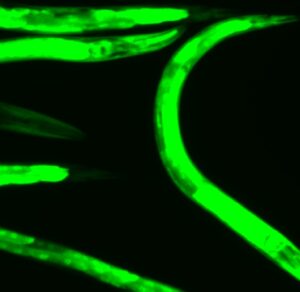
The Burton Lab explores a novel, emerging question in microbiome research: How, mechanistically, does the microbiome contribute to or protect against disease, especially in people with genetic variants that predispose them to specific metabolic or neurodegenerative disorders? To find answers, we developed a high-throughput, C. elegans-based screening platform to study the relationship between diet, microbial environment and health. We work to better understand how the microbiome can protect against disease, especially in the context of genetic risk, with the goal of informing new prevention and treatment strategies.
To this end, we focus on:
- Identifying environmental bacteria and bacterial by-products that promote resilience to disease and mitigate disease risk
- Determining the molecular mechanisms by which bacteria affect host physiology
- Investigating the interplay between the microbiome and mitochondria
Join Our Team
We are continually seeking highly motivated individuals to join the lab! Interested candidates should email Dr. Burton at [email protected]. Open positions also are posted on VAI’s Careers page.
Our Impact
We’re raising thousands to save millions.
We’re turning hope into action for the millions of people around the world affected by diseases like cancer and Parkinson’s. Find out how you can help us make a difference.
- 141 peer-reviewed papers published in 2025, 74 of which were in high-impact journals
- 15 VAI-SU2C Epigenetics Dream Team clinical trials launched to date
- 10 clinical trials and related projects supported by VAI through the International Linked Clinical Trials Program
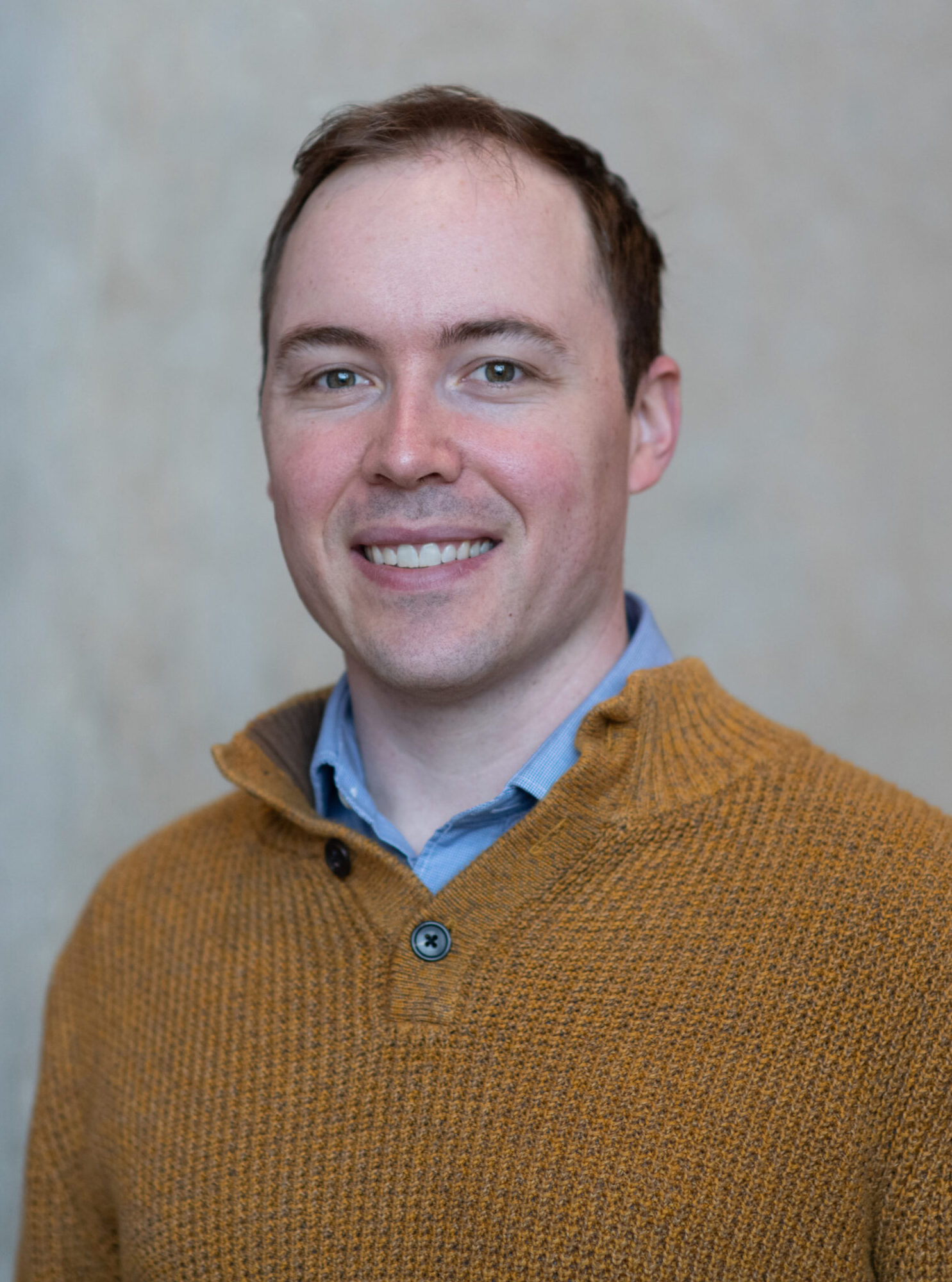
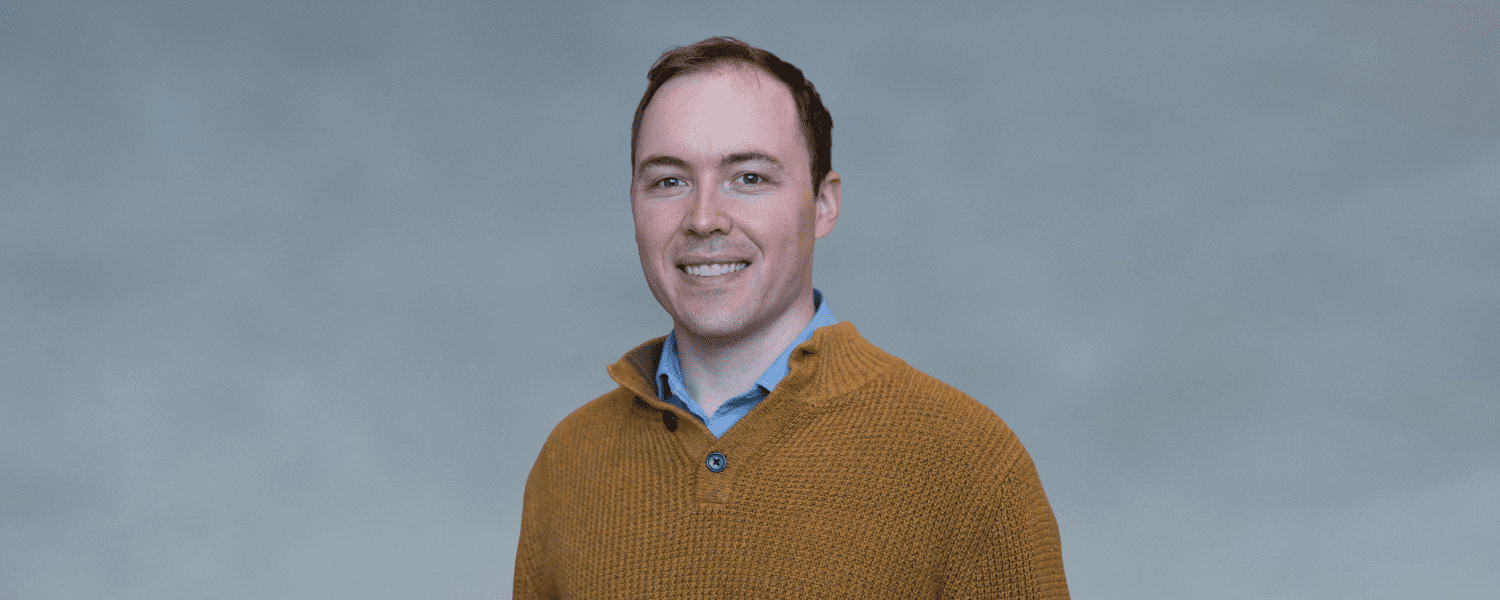
Nick Burton, Ph.D.
Assistant Professor, Department of Metabolism and Nutritional Programming
Areas of Expertise
Metabolism, microbiome, intergenerational inheritance, C. elegans, host-microbiome interactions, mitochondria
Biography
Dr. Nick Burton investigates how the microbiome can promote health or, when things go wrong, fuel disease. His research explores why some people with genetic risk are protected from disease while others are affected.
He joined Van Andel Institute as an assistant professor in 2021. Prior to establishing his lab, he was a Next Generation Fellow at University of Cambridge’s Centre for Trophoblast Research, where he studied how environmental bacteria affect development, physiology, metabolism and neuronal function in individuals and their offspring.
Dr. Burton earned a B.S. in biology from University of Wisconsin-Madison, where he worked in the labs of Dr. Anna Huttenlocher and Dr. Scott Kennedy. He was awarded a graduate research fellowship from the National Science Foundation (NSF) and went on to earn a Ph.D. in biology from Massachusetts Institute of Technology under the mentorship of Dr. H. Robert Horvitz. As part of his dissertation work, Dr. Burton worked to develop new paradigms to study the mechanisms by which parental environment regulates offspring physiology.
Selected Publications
Isaguirre C, Gendjar M, Nauta KM, Burton NO, Sheldon RD. 2025. Polyamine quantitation by LC-MS using isobutyl chloroformate derivatives. Methods Enzymol 715:437–458.
Nauta KM, Gates DR, Weiland M, Mechan-Llontop ME, Wang X, Isaguirre C, Gendjar MR, Cooper J, Barton SF, Nguyen KP, Sheldon RD, Krawczyk CM, Burton NO. 2025. A noncanonical polyamine from bacteria antagonizes host mitochondrial function. Nat Commun.
Nauta KM, Burton NO. 2025. H2S regulation of a host–microbe interaction. Trend Microbiol.
Pender CL, Dishart JG, Gildea HK, Nauta KM, Page EM, Siddiqi TF, Cheung SS, Joe L, Burton NO, Dillin A. 2024. Perception of a pathogenic signature initiates intergenerational protection. Cell.
El Jarkass HT, Castelblanco S, Kaur M, Wan C, Ellis AE, Sheldon RD, Lien EC, Burton NO, Wright GD, Reinke AW. Pre-print. The Caenorhabditis elegans bacterial microbiome influences microsporidia infection through nutrient limitation and inhibiting parasite invasion. bioRxiv.
Willis AR, Zhao W, Sukhdeo R, Burton NO, Reinke AW. 2024. Parental dietary vitamin B12 causes intergenerational growth acceleration and protects offspring from pathogenic microsporidia and bacteria. iScience 27(7):110206.
Cooper JF, Nguyen K, Gates D, Wolfrum E, Capan C, Lee H, Williams D, Okoye C, Wojtovich AP, Burton NO. Preprint. Oocyte mitochondria link maternal environment to offspring phenotype. Res Sq.
Gómez-Escribano A, Mora-Martínez C, Roca M, Walker DS, Panadero J, Sequedo MD, Saini R, Knölker HJ, Blanca J, Burguera J, Lahoz A, Canizares J, Millán JM, Burton NO, Schafer WR, Vázquez-Manrique RP. 2023. Changes in lipid metabolism driven by steroid signalling in modulate proteostasis in C. elegans. EMBO Rep 24:e55556.
Burton NO. 2023. A mother to offspring metabolic link. Nat Cell Biol 25:1083–1084.
Lampersberger L, Conte F, Ghosh S, Xiao Y, Price J, Jordan D, Matus DQ, Sarkies P, Beli P, Miska EA, Burton NO. 2023. Loss of the E3 ubiquitin ligases UBR-5 or HECD-1 restores Caenorhabditis elegans development in the absence of SWI/SNF function. Proc Natl Acad Sci USA 120(5):e2217992120
Cooper JF, Wang X, Burton NO. 2022. Genetics: A cross-kingdom evolutionary handoff. Curr Biol 32(22):R1262–R1286.
Burton NO, Greer EL. 2022. Multigenerational epigenetic inheritance: Transmitting information across generations. Seminar Cell Develop Biol. 127:12-132.
Burton NO*, Willis A, Fisher K, Braukmann F, Price J, Stevens L, Baugh LR, Reinke AW, Miska EA. 2021. Intergenerational adaptations to stress are evolutionarily conserved, stress specific, and have deleterious trade-offs. eLife 10:e73425.
*Corresponding author
Chandrasekaran V*, Desai N*, Burton NO*, Yang H, Price, J, Miska EA#, Ramakrishnan V#. 2021. Visualising formation of the ribosomal active site in mitochondria. eLife 10:e68806.
*Equal contribution
Burton NO*, Riccio C, Dallaire A, Price J, Jenkins B, Koulmann A, Miska EA. 2020. Cysteine synthases CYSL-1 and CYSL-2 mediate C. elegans heritable adaptation to P. vranovensis infection. Nat Commun 11:1741.
*Corresponding author
Escribano APG, Bono-Yague J, Roca M, Panadero J, Sequedo MD, Saini R, Knoelker HJ, Blanca JM, Burguera JA, Lahoz A, Canizares J, Millan JM, Burton NO, Vazquez-Manrique R. 2019. Multiple hormonal signalling pathways function cell-nonautonomously to control protein homeostasis in Caenorhabditis elegans. bioRxiv.
Burton NO*, Dwivedi VK, Burkhart KB, Kaplan REW, Baugh LR, and Horvitz HR*. 2018. Neurohormonal signalling via a cytosolic sulfotransferase controls insulin sensitivity of C. elegans. Nat Commun 9(1):5152.
*Co-corresponding author
Burton NO, Futura T, Webster AK, Kaplan REW, Baugh LR, Arur S, Horvitz HR. 2017. Insulin-like signalling to the maternal germline controls progeny response to osmotic stress. Nat Cell Biol 19(3):252–257.
Featured in: Kaneshiro KR and Strome S. 2017. Inheritance of protection from osmotic stress. Nat Cell Biol
Mushegian AA. 2017. An insulin-like message from mother. Sci Signal
Burton NO, Burkhart KB, Kennedy S. 2011. Nuclear RNAi maintains heritable gene silencing in C. elegans. Proc Natl Acad Sci USA 108(49):19683–19688.
Guang S, Bochner AF, Burkhart KB, Burton NO, Pavelec DM, Kennedy S. 2010. Small regulatory RNAs inhibit RNA polymerase II during the elongation phase of transcription. Nature (7301):1097–1101.
Cortesio CL, Chan KT, Perrin BJ, Burton NO, Zhang S, Zhang ZY, Huttenlocher A. 2008. Calpain 2 and PTP1B function in a novel pathway with Src to regulate invadapodia dynamics and breast cancer cell invasion. J Cell Biol 180(5):957–971.
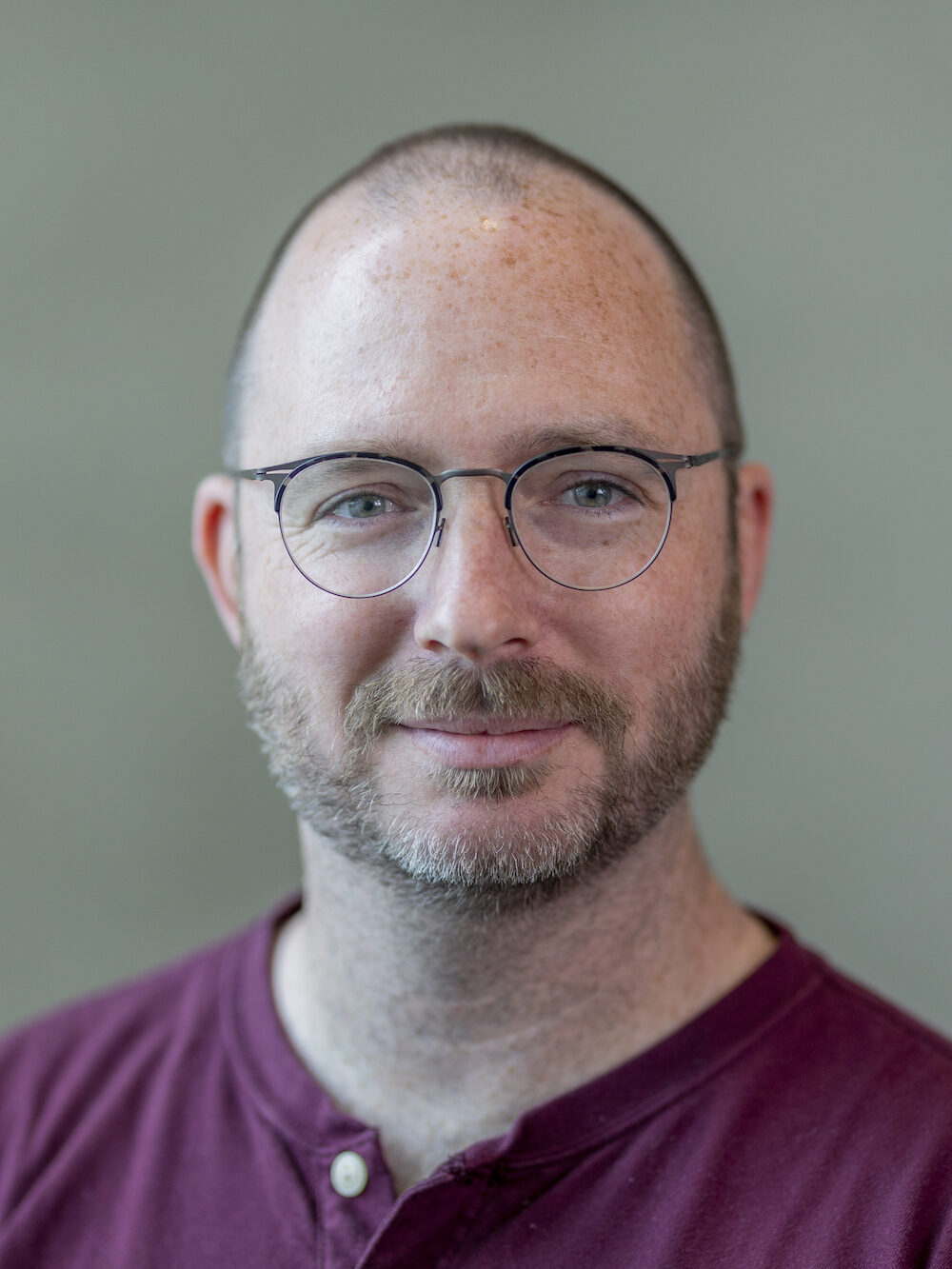
Jason Cooper, Ph.D.
Research Scientist, Department of Metabolism and Nutritional Programming
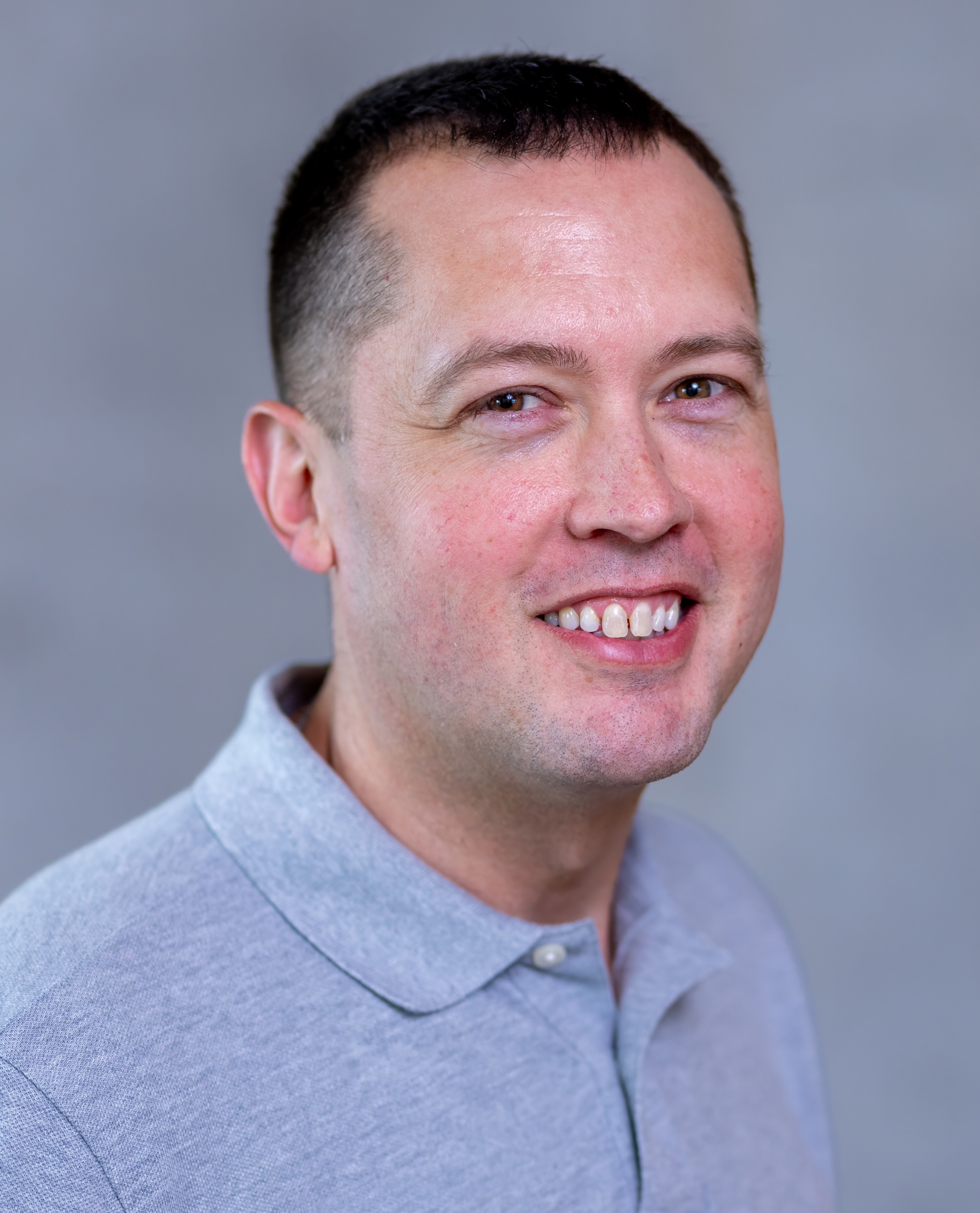
Erik Frost
Senior Administrative Assistant II, Department of Metabolism and Nutritional Programming
Darrick Gates, B.S.
Lab Manager, Department of Metabolism and Nutritional Programming
Marco Mechan Llontop, Ph.D.
Research Scientist, Department of Metabolism and Nutritional Programming

Kelsie Nauta, Ph.D.
Project Leader I, Burton Laboratory
Kim Nguyen, B.S.
Research Technician, Department of Metabolism and Nutritional Programming
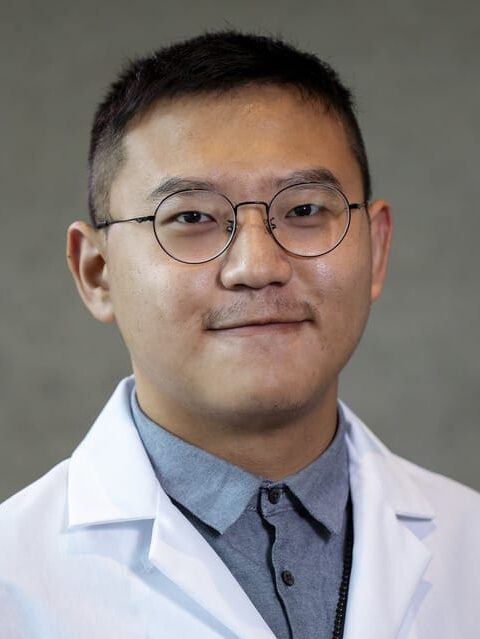
Xiao Wang
Ph.D. Student, VAI Graduate School
Research focus to be determined.
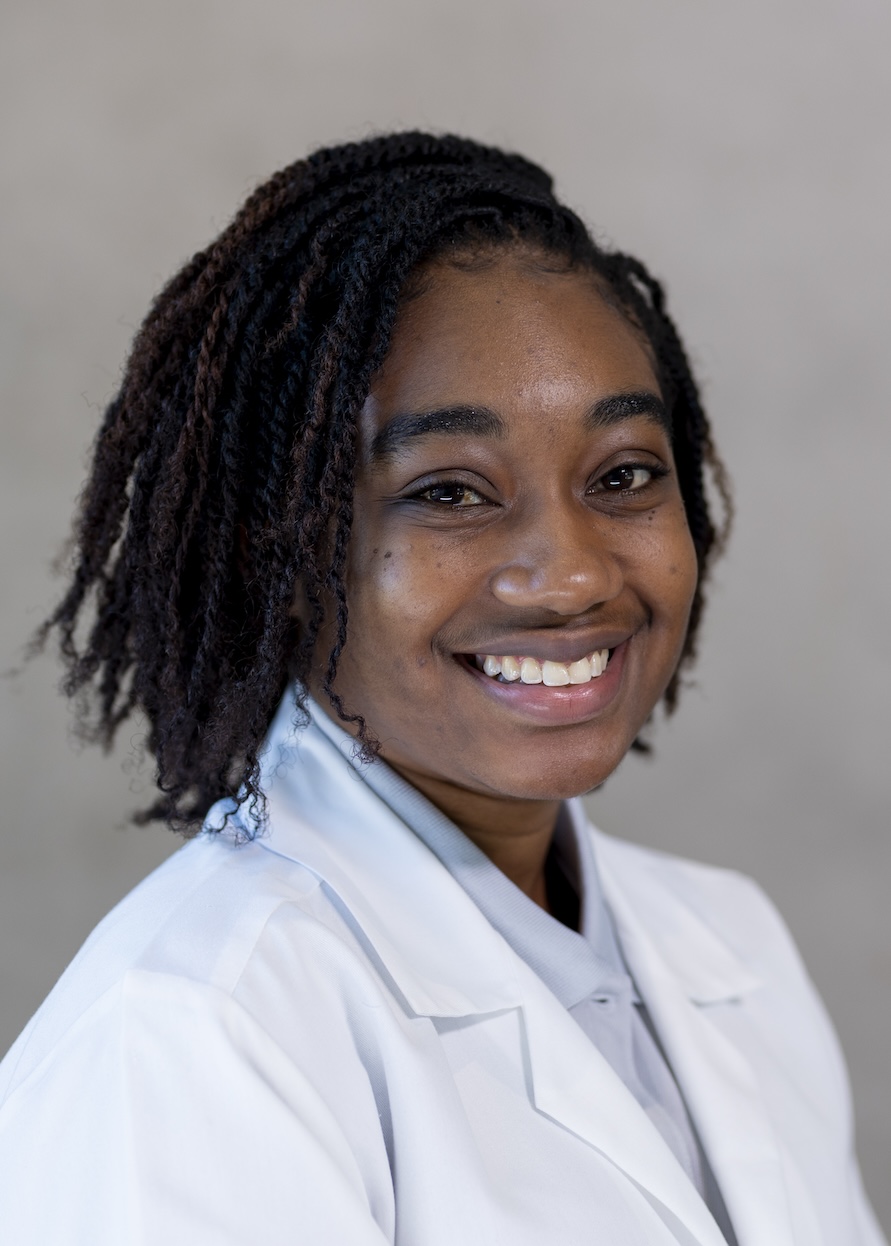
Devia Williams
Ph.D. Student, VAI Graduate School
Research focus to be determined.

The Burton Lab partners with Lowell High School to offer students real-world research experience. Learn more about this work by exploring the links below.
Could backyard bacteria and hungry worms help solve a central problem in Type 2 diabetes?
Van Andel Institute scientists teamed up with a trio of intrepid students from Lowell High School to collect soil samples from around West Michigan in the hopes of finding microbes that might help solve a key mechanism underlying Type 2 diabetes.
Hands-on experiments create a love for science
WOOD-TV’s Maranda stopped by to see the partnership firsthand as students from Lowell High School engaged in a science experiment focusing on helpful bacteria.